
The Centre for Research and Technology Hellas (CERTH), coordinator of the European project WELDNET, further reinforces the project’s research excellence through the submission of a scientific paper at CSuM 2026.
This paper presents how AI and machine learning can be used to forecast future skill gaps, deliver personalized and adaptive training pathways for workers, and optimise the complex lifecycle analysis required for recycled components. The research concludes with recommendations for scaling these AI-enabled upskilling initiatives across diverse regional contexts.
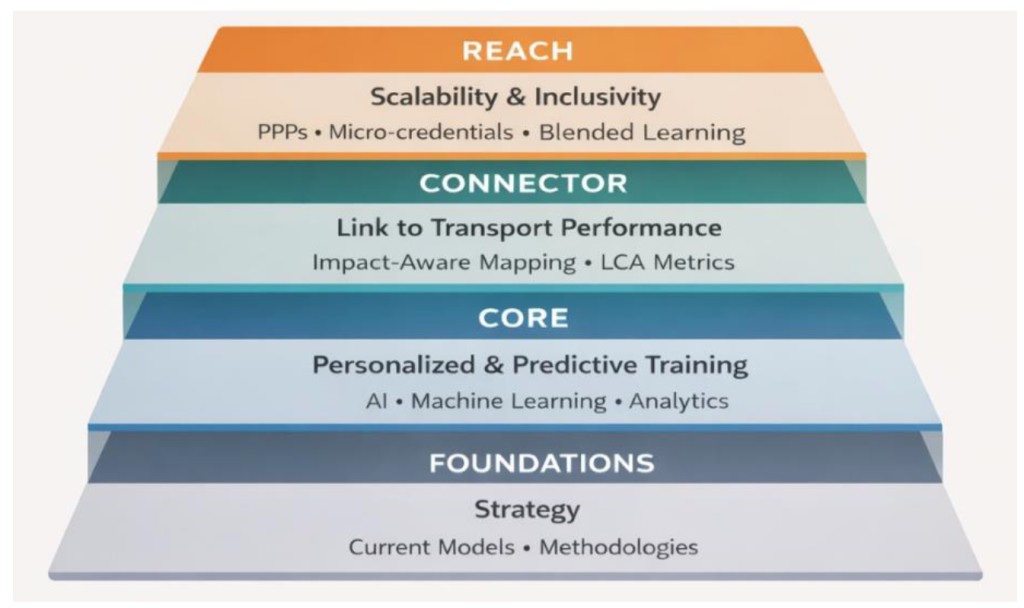
Figure 1: AI-enabled educational framework flow
This contribution directly supports WELDNET’s objectives in:
- Circular Material Welding (CMW)
- Preventive and predictive maintenance systems (PMS)
- Digitalisation of manufacturing processes
- Increased safety and lifecycle performance of automotive components
CERTH strengthens the scientific foundation supporting the development of innovative vocational training curricula within WELDNET. The research findings help bridge the gap between cutting-edge engineering research and vocational excellence, ensuring that training programmes reflect the latest technological developments in sustainable and resilient manufacturing.
The publication demonstrates how research-driven innovation can enhance vocational education and training (VET) systems by embedding evidence-based methodologies, digital competences, and lifecycle thinking into skills development pathways.
Through this scientific achievement, CERTH reaffirms its commitment to supporting the green and digital transitions by integrating advanced research outputs into regional skills ecosystems and Centres of Vocational Excellence throughout Europe.